
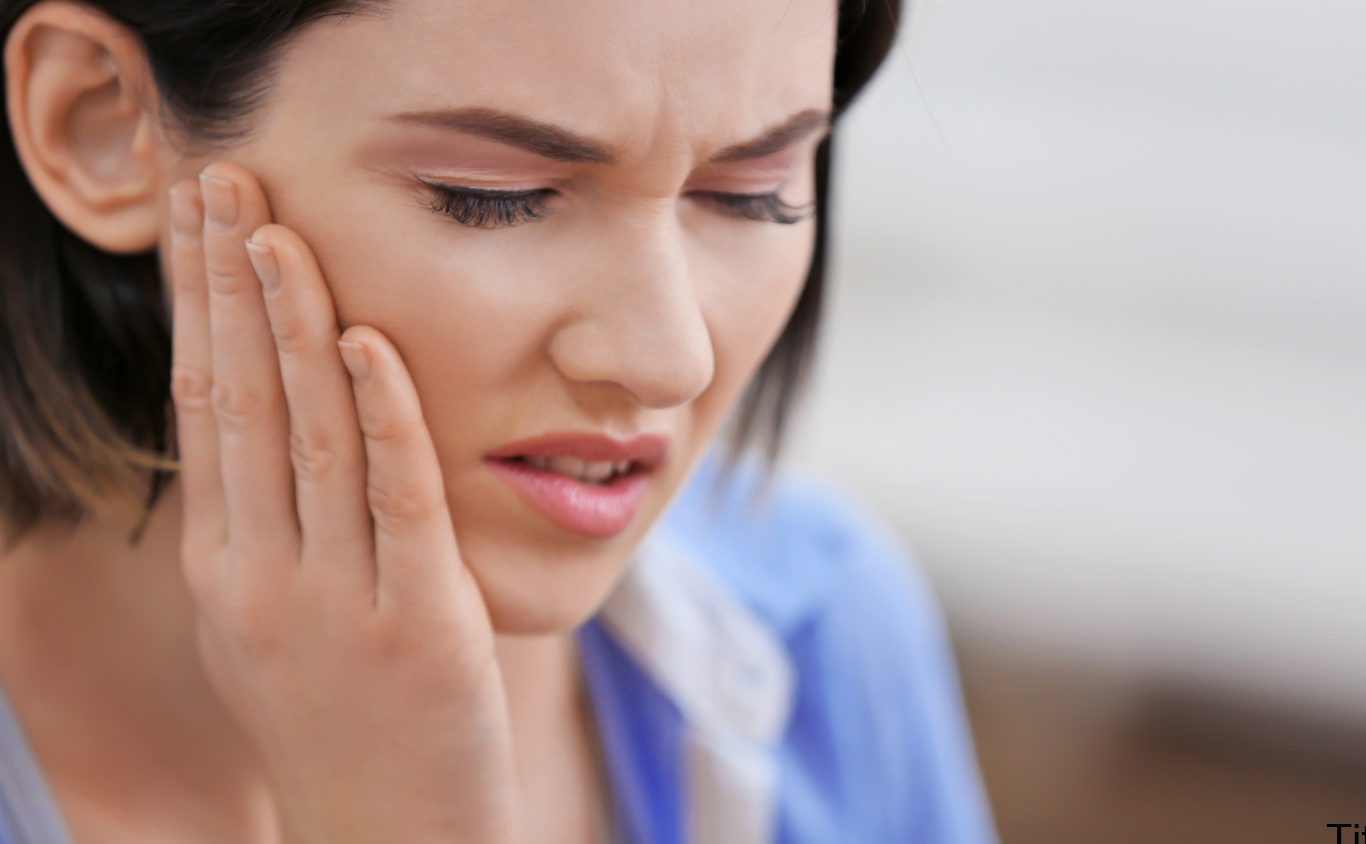
Jaw pain, clicking or popping when opening your mouth, headaches and discomfort while chewing can all be associated with temporomandibular disorders (TMD). These symptoms can interfere with everyday activities such as eating, speaking, yawning and sleeping.
At Shiloh Clinic, our chiropractors take a gentle, comprehensive approach to treating TMJ disorders, addressing both the function of the jaw joint and the muscles responsible for its movement. With the addition of specialized radial shockwave therapy, we have expanded our treatment options for patients experiencing jaw pain and muscular tension.
TMJ Disorders and Jaw Pain Treatment
-
The temporomandibular joint connects your lower jaw to your skull, just in front of each ear. It is a complex joint that combines rotating and sliding movements, allowing you to speak, chew and open and close your mouth.
Proper jaw function relies on the coordinated movement of the joints, surrounding muscles and a small cartilage disc within each joint.
When these structures become irritated or are not functioning together effectively, pain, restricted movement and other symptoms may develop. These conditions are collectively referred to as temporomandibular disorders, or TMD.
-
Common Symptoms of TMJ Disorders
Symptoms can vary considerably from person to person and may include:
Pain or tenderness around the jaw and in front of the ears
Clicking or popping accompanied by discomfort
Difficulty or pain when chewing
Restricted jaw movement
Jaw locking or catching
Headaches, particularly around the temples
Facial muscle tension or fatigue
Jaw stiffness or soreness upon waking
Associated neck pain and muscle tension
Clicking or popping without pain or restricted movement is relatively common and does not necessarily require treatment.
-
TMJ disorders can develop for several reasons, and often more than one factor contributes to the problem.
Potential contributing factors include:
Teeth grinding or jaw clenching (bruxism)
Excessive or repetitive loading of the jaw muscles
Altered jaw joint movement and muscular coordination
Previous injury to the jaw, head or neck
Arthritis or degenerative changes within the joint
Stress and increased muscular tension
Associated neck pain and movement restrictions
Many people unknowingly clench or grind their teeth while sleeping. This repetitive loading can place considerable stress on the jaw muscles and joints, potentially contributing to or aggravating existing TMJ symptoms.
Some individuals also develop daytime clenching habits, particularly while concentrating, working at a computer or experiencing stress.
Identifying the factors contributing to your symptoms is an important part of developing an appropriate treatment plan.
-
At Shiloh Clinic, our approach to TMJ treatment focuses on two important components: the mechanics of the jaw joint and the function of the surrounding muscles.
Treatment is gentle and individualized, based on the findings of your examination.
Gentle TMJ Mobilization
Our chiropractors assess how the jaw opens, closes and moves from side to side. Restrictions, deviations in movement and differences in coordination between the two sides may contribute to discomfort.
Gentle, controlled joint mobilization techniques may help improve jaw mobility, reduce discomfort and encourage more coordinated movement. Our focus is on restoring comfortable joint function rather than forcefully repositioning the jaw.
Soft Tissue Therapy
The muscles responsible for chewing and jaw movement can become tender, fatigued and painful, particularly in individuals who frequently clench or grind their teeth.
Soft tissue therapy focuses on these muscles, including the masseter and temporalis, which are two of the primary muscles involved in chewing.
Gentle manual treatment may help reduce muscular discomfort and improve jaw mobility.
Radial Shockwave Therapy for TMJ Disorders
Shiloh Clinic has introduced specialized radial shockwave therapy as an additional treatment option for muscle-related TMJ disorders.
Unlike the treatment applicators commonly used for larger muscles and tendons elsewhere in the body, our specialized applicator features a soft treatment head designed for a gentler application to sensitive muscular areas around the jaw.
Radial shockwave therapy delivers controlled mechanical pressure waves to targeted soft tissues. For patients with muscle-related jaw pain, treatment is directed toward the muscles involved in chewing, clenching and jaw movement.
Potential benefits may include:
Reduced muscular pain and tenderness
Improved jaw mobility
Reduced discomfort associated with chewing
Improved tolerance for everyday jaw movements
Research into shockwave therapy for TMJ disorders is still developing. It is not appropriate for every patient and is used as part of a comprehensive treatment plan rather than as a standalone solution.
By combining gentle joint mobilization, manual soft tissue therapy and radial shockwave therapy when appropriate, we can address both the movement of the jaw joint and the muscular component of TMJ pain.
Your recommendations will be tailored to your symptoms, examination findings and daily activities.
-
Effective management of TMJ disorders often benefits from a collaborative approach between chiropractors and dentists.
While chiropractic care focuses on jaw joint mobility, muscular function and associated musculoskeletal symptoms, your dentist plays an important role in assessing your dental health, identifying signs of tooth grinding and determining whether a dental appliance may be appropriate.
If you clench or grind your teeth at night, your dentist may recommend a custom bite plate, also known as a nightguard or occlusal splint, to help protect your teeth from excessive wear.
Although a bite plate may be helpful for dental protection, some patients may continue to experience muscular discomfort or restricted jaw movement. In these situations, chiropractic care may complement the treatment provided by your dentist.
Similarly, when our examination identifies concerns requiring dental assessment, we encourage patients to consult their dentist.
Our approach is not intended to replace dental care but to complement it by addressing the musculoskeletal components of TMJ disorders.
-
The muscles involved in jaw movement, particularly the temporalis muscles located around the temples, can contribute to certain types of headaches.
Individuals who frequently clench or grind their teeth may experience headaches upon waking or develop discomfort around the temples throughout the day.
When a headache is associated with a TMJ disorder, addressing jaw function and muscular discomfort may form part of an appropriate management plan.
Because headaches have many potential causes, a comprehensive assessment is important before determining whether the jaw is contributing to your symptoms.
-
Located in Stony Plain, Shiloh Clinic provides TMJ assessment and treatment for patients from Stony Plain, Spruce Grove and surrounding Parkland County communities.
Our gentle, evidence-informed approach combines joint mobilization, soft tissue therapy, individualized rehabilitation and specialized radial shockwave therapy when appropriate.
We recognize the important role dentists play in managing TMJ disorders and encourage collaborative care to address the different factors contributing to your condition.
Whether you are experiencing jaw pain, muscular tension, difficulty chewing or headaches associated with jaw dysfunction, our chiropractors can assess your symptoms and discuss treatment options suited to your individual needs.
-